Heraklion: myths and legends in the shadow of the Minotaur
Crete, the famous cradle of European civilisation, welcomes millions of tourists every year who want to find themselves in the legendary labyrinth of the fearsome Minotaur. But Heraklion is famous for much more than the beast's lair.
It is also the island's capital, so you can expect a great deal of it: a rich cultural heritage, an ancient history full of stories, and the island's main centre for education and shopping. Most importantly, it offers a chance to plunge headlong into the world of an ancient civilisation and feel like part of a legend, a hero of extraordinary myths.
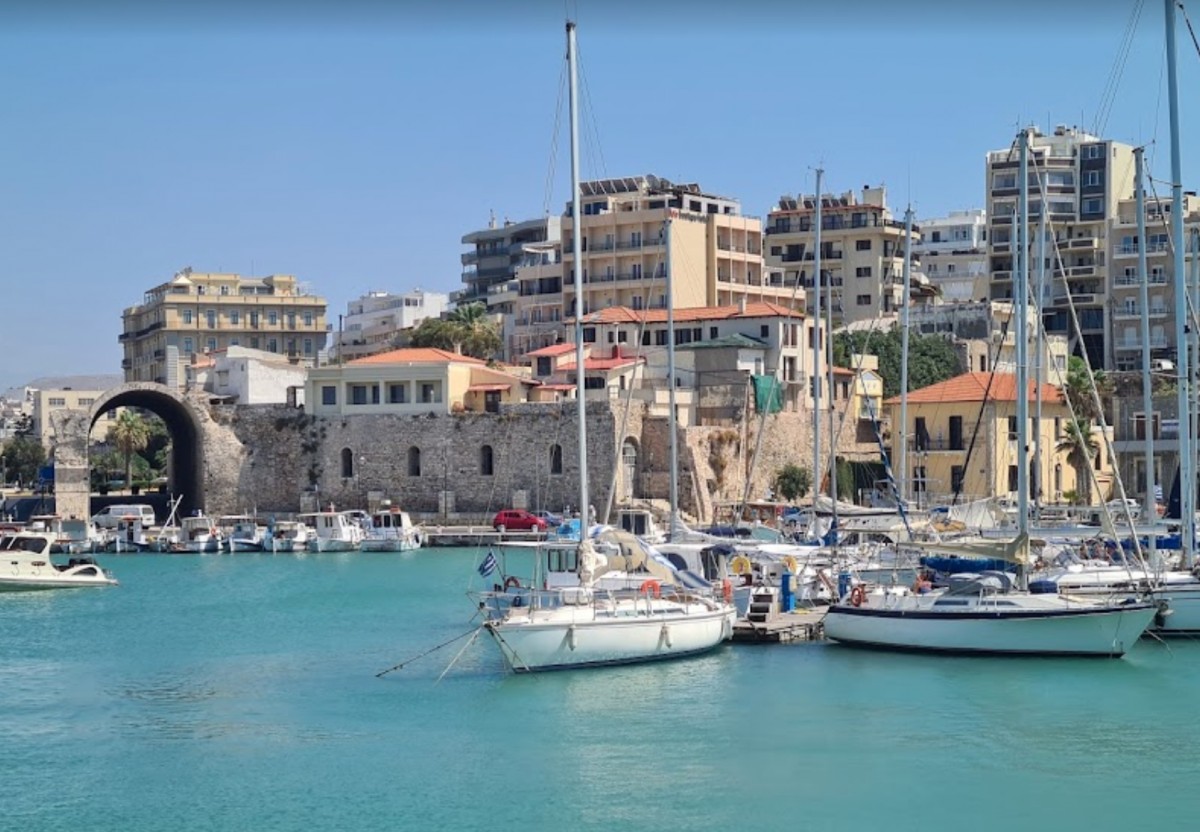
Crete's gateway
Heraklion, the fifth-largest city in Greece, appears in all its glory to holidaymakers who are just stretching their legs after several hours on the plane. It is from here that journeys to the island's other towns begin. And while the big city welcomes you with open arms, it is worth finding out what lies ahead.
As the bus glides through the streets, you pass one university, museum and theatre after another: culture and education are thriving here. You may well pass the seaport along the way, but it is usually saved for later. Some visitors prefer to hire a car for their holiday in Greece. We recommend booking in advance: in Heraklion it costs around 15 euros a day, and at Heraklion Airport around 10 euros a day.
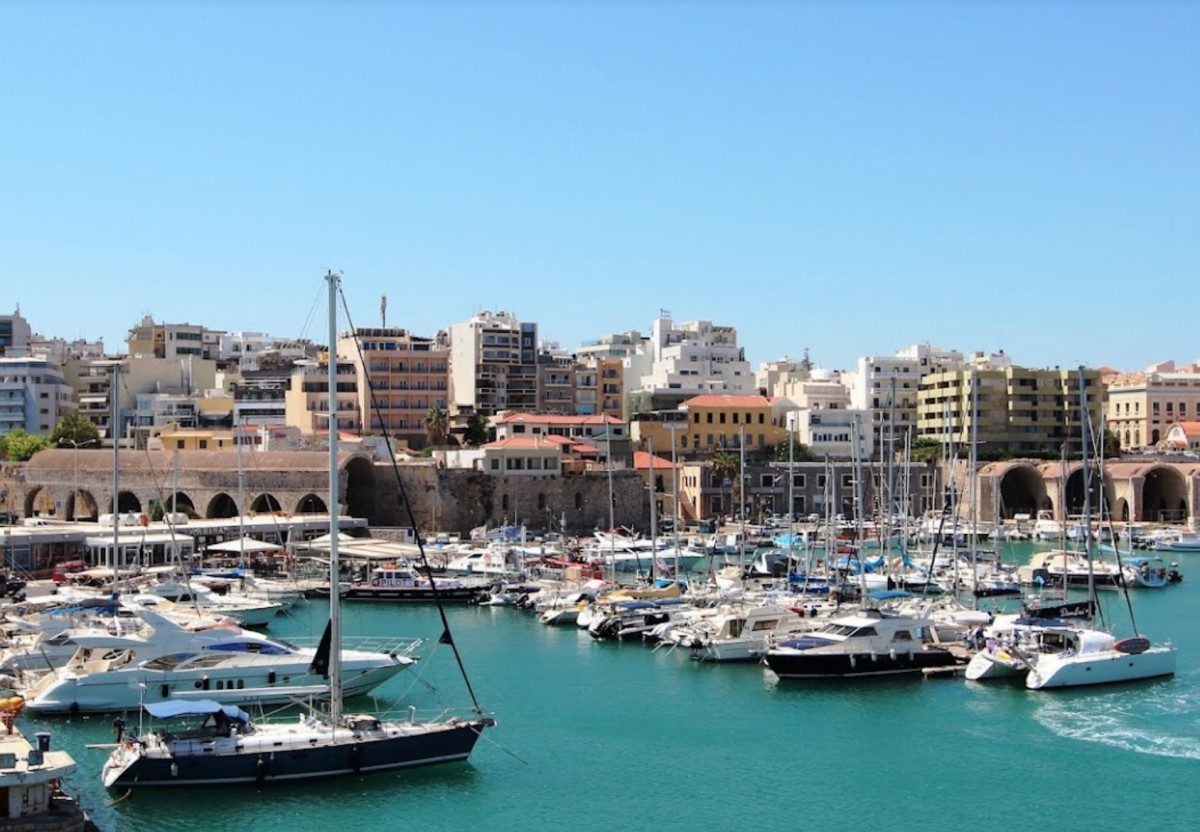
The story begins with an ordinary harbour that Greece chose to immortalise in myth. A couple of kilometres from the city, helpful locals will show you the ruins of the Palace of Knossos. According to local tales, this is the very place where a bloodthirsty, man-eating creature, half bull and half man, still roams.
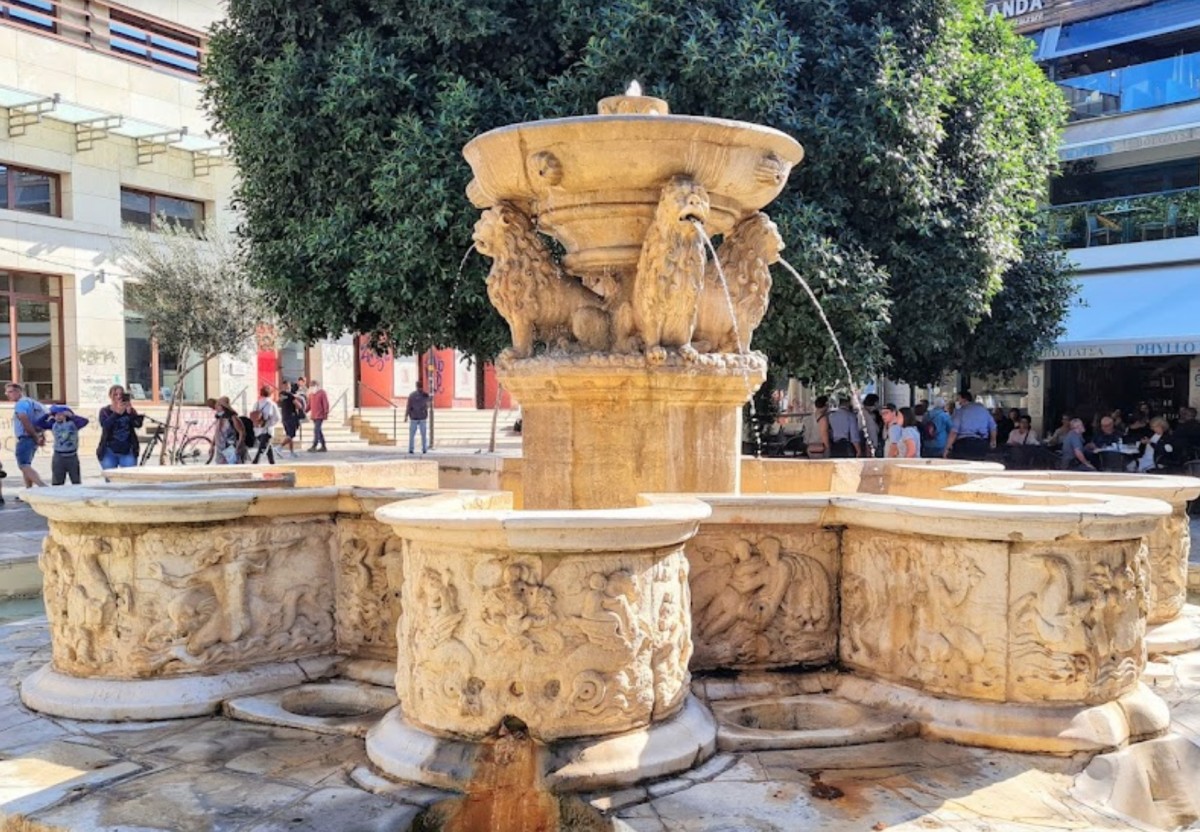
Admittedly, much has survived intact since ancient times, yet the place still feels a little oppressive. Endless turns, intricate passages, hatches: perhaps these are the very routes along which people once fled to save their lives.
Where Heraklion's cultural heritage begins
To round off your impressions, visit the Archaeological Museum. All the finds from the area were brought here, many of them dating back three thousand years BC. The most curious visitors will learn how Greek weapons were used, how old a ceramic dish is, and what made everyday objects so special that other civilisations could only dream of them.
The statues and frescoes will delight even those who find the local history sections dull. There are also rooms with works of art and historical documents open to visitors.
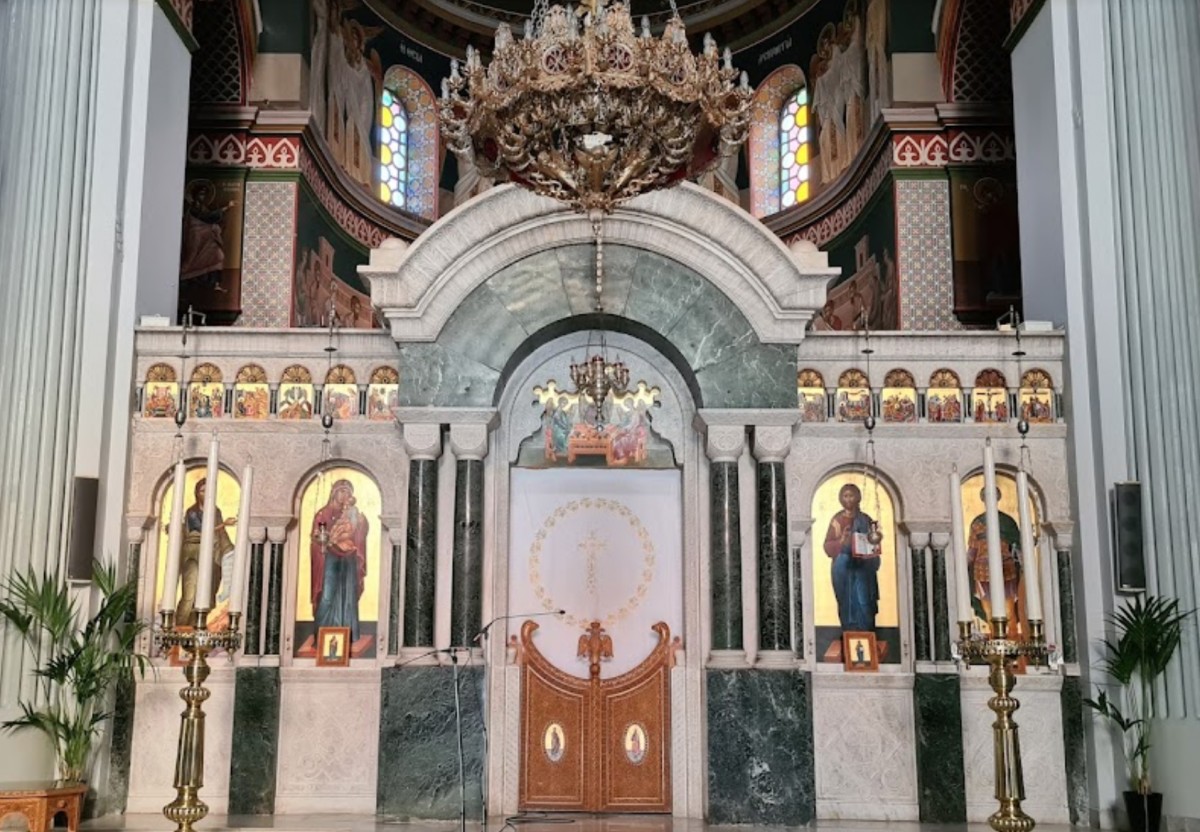
Remember how you stared open-mouthed at the Great Pyramids of Giza in Egypt? The city walls from Heraklion's Venetian era will have exactly the same effect. Crete can be proud of this massive 60-metre structure, which surrounds the old part of the city.
As with everything else in Greece, of course, not much has survived, but the Pantokrator Gate and the Jesus Gate are still standing and are well worth seeing.
And Heraklion doesn't end there. Strike up a conversation with a local, and for a small fee he may well lead you along paths that tourists never see. You could walk them for weeks: every pebble there still remembers the footsteps of Hercules.
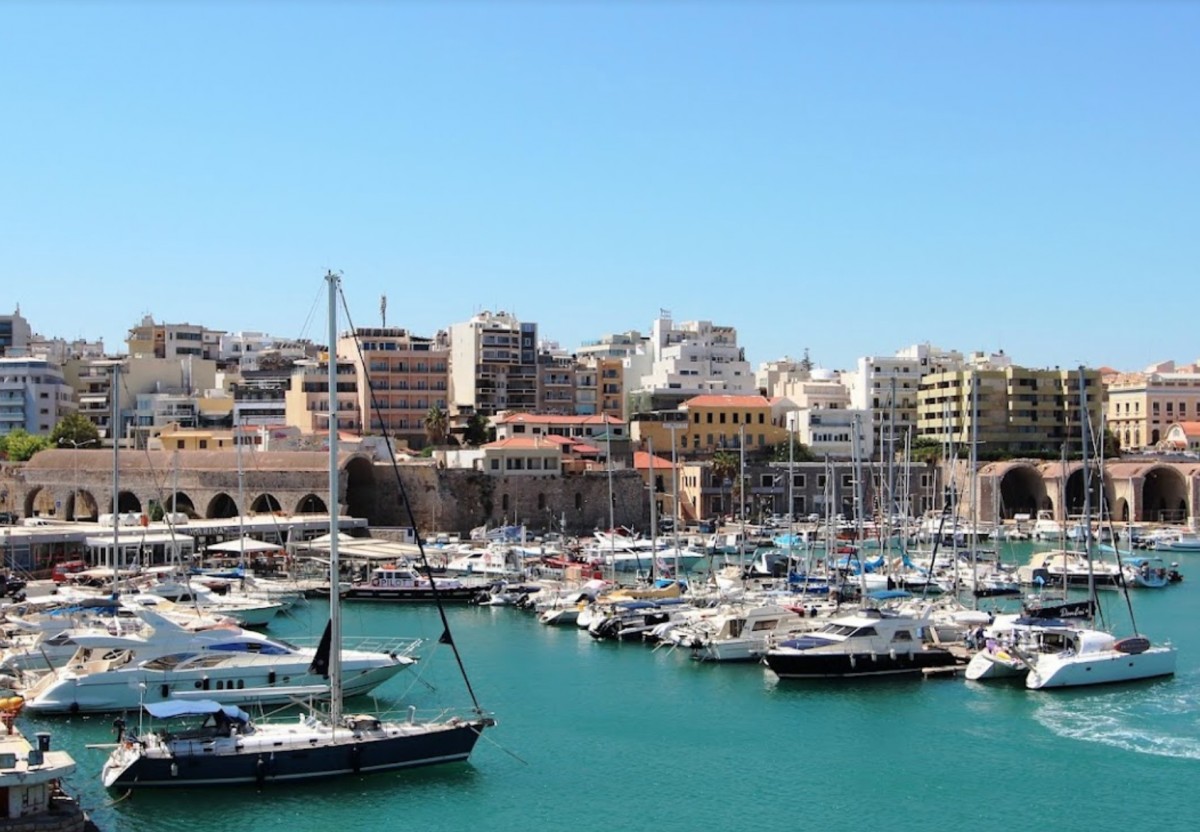
Churches, the Martinengo Bastion and the Koules Fortress, cathedrals, exquisite Venetian fountains, streets with mythical names (Theseus, Daedalus) and modern architecture are all waiting for you.
Nor will we forget shopping. For local colour, head to the bazaars; souvenir shops, big brands and antique shops are scattered all over the city. You are sure to find a lovely little keepsake to admire on long evenings over a glass of retsina, the ancient Greek wine.