The Best Sights in Jakarta
The Best Sights in Jakarta
Jakarta is home to a wide range of sights and attractions that span the country's history right up to the present day. From the capital's iconic landmarks to lesser-known attractions that will help you understand Indonesia's unique culture, here are some of the best sights in the city.
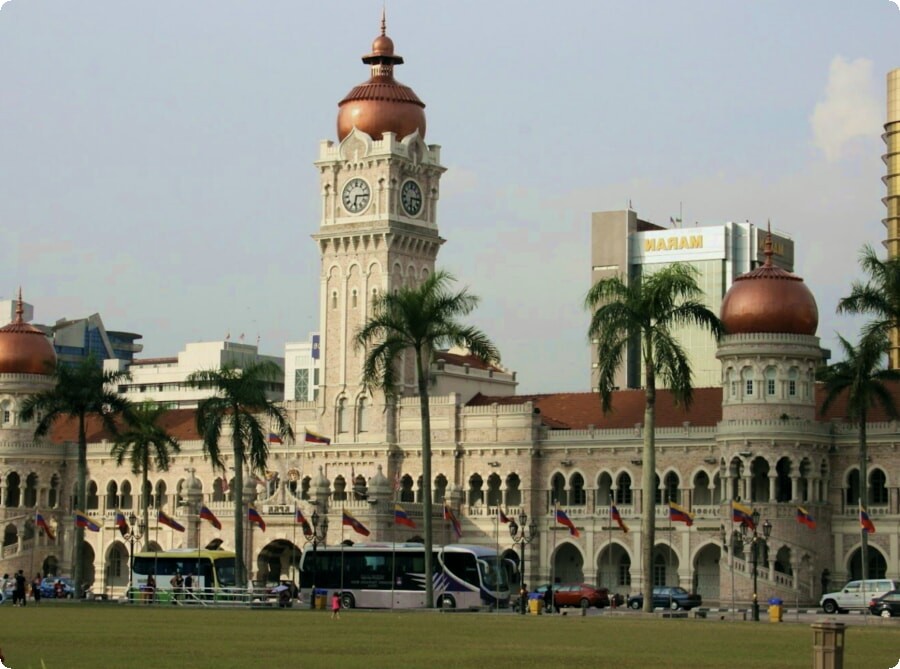
One of the most popular areas to visit is Kota Tua, or Old Batavia, a picturesque district dotted with cafes and museums. At its heart is a cobbled square where you can admire the Dutch colonial buildings that surround it.
For a comfortable trip, many visitors choose to hire a car in Indonesia. The average cost of car hire at Bali Airport is 16 euros per day, and at Jakarta Airport 18 euros per day.
Kota Tua
Kota Tua is the historic district that was once the colonial heart of Jakarta. The neighbourhood has a rich cultural heritage and has undergone a major regeneration programme to turn it into a lively tourist destination.
The district's main attractions include Fatahillah Square (Taman Fatahillah), the Jakarta History Museum and the Wayang Museum. They are great places to explore for anyone interested in Indonesia's history and colonial past.
Visitors can also head to Sunda Kelapa, the old port area, which is often busy with photographers capturing the traditional boats lining the waterfront.
The neighbourhood is also home to Cafe Batavia, a restaurant that recreates the atmosphere of the Dutch colonial era. It is one of the best places to enjoy a meal and soak up the history of Kota Tua.
Pelabuhan Sunda Kelapa
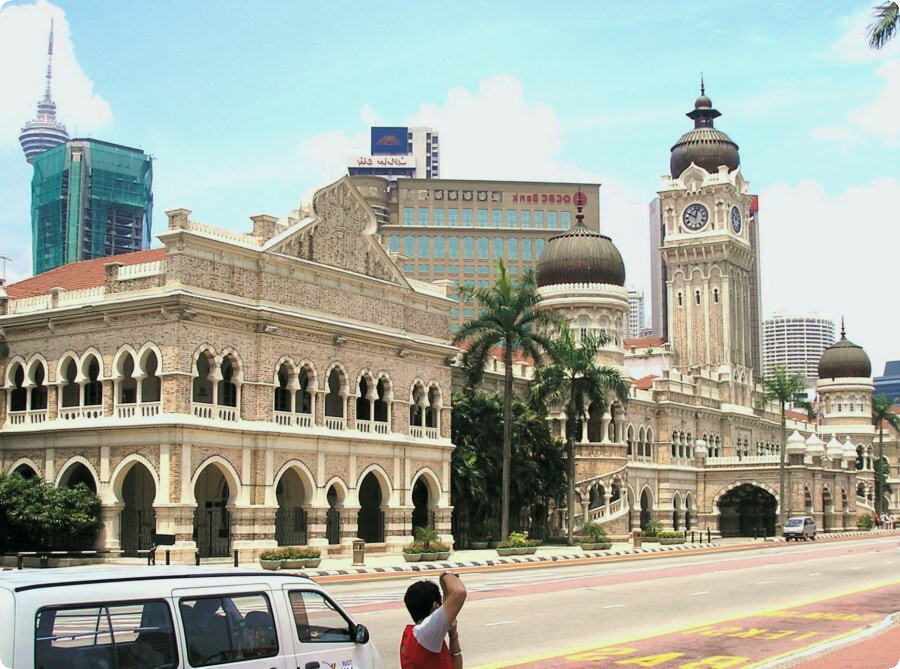
Located at the mouth of the Ciliwung River, Sunda Kelapa is Jakarta's old port. It is also the site of the city's first fort, built by the Dutch East India Company.
The harbour is lined with rows of traditional sailing boats known as ‘pinisi’, which make for wonderful photographs. These schooners are part of Jakarta's history and are still used to carry cargo between the islands.
But the harbour is not just about beautiful views: it is a place full of everyday life. Small boats are moored along the quay, and groups of people sit crouched at the water's edge, smoking.
If you would like to see this busy part of the city from a different angle, take a boat trip around the harbour. It will give you a better idea of what Sunda Kelapa is really like.
National Museum
One of the best places to learn about Indonesia's rich history is the National Museum (Museum Nasional), which officially opened in 1868. Its collection of 109,342 items covers prehistory, archaeology, ethnography, numismatics and heraldry, ceramics and geography.
If you have time, the four-storey building is well worth a visit. There are four permanent exhibitions, organised around themes including man and the environment; science, technology and the economy; social organisation and settlement patterns; and treasures and ceramics.
Located next to Fatahillah Square in Old Batavia, the museum combines Dutch colonial features with elegant Indonesian details. Above the main entrance is a stained-glass work by the Dutch artist Ian Schouten Prinsenhof.
Dunia Fantasi
Dunia Fantasi, or Fantasy World, is the largest and most exciting amusement park in Jakarta. With over 40 rides and attractions, there is something to thrill the whole family.
The park has a range of outdoor rides, including the Halilintar roller coaster, the Arung Jeram rapids ride and the Niagara log flume. There are also many indoor attractions, as well as a carousel and a Ferris wheel.
The resort also has water parks, such as Atlantis Water Adventure, with a wave pool, a floating pool and a lazy river. There are also a couple of children's pools and several restaurants.
Glodok Chinatown
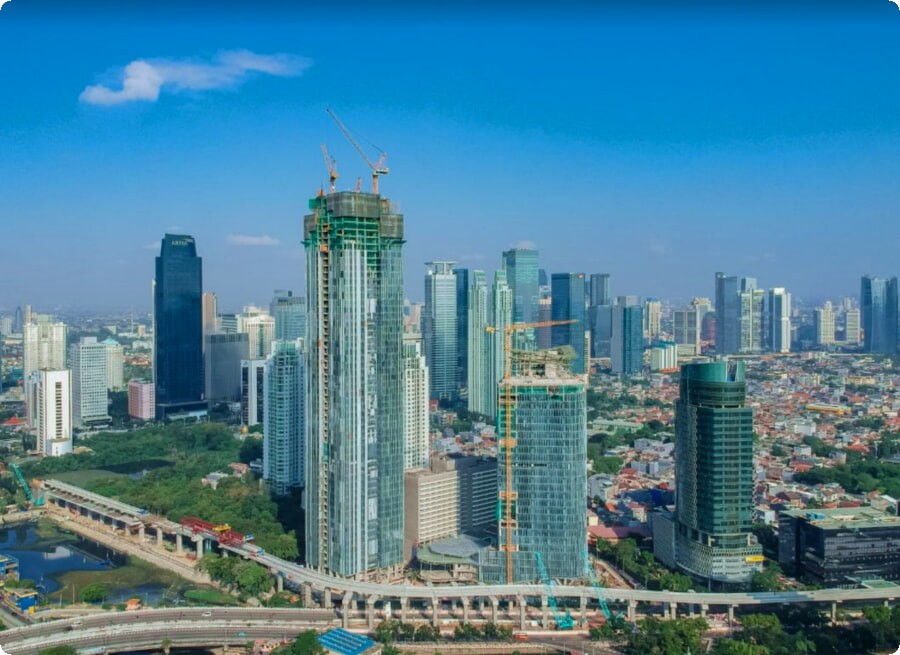
Jakarta is a fascinating city, and it is worth taking time to visit the cultural attractions that reflect its mix of Indonesian, Chinese, Arab, Indian and Malay cultures.
Glodok, Jakarta's Chinatown, is one of the best places in the city to see historic Chinese architecture. This historic quarter should be on every itinerary for a trip to Jakarta.
You will find several interesting museums nearby, including the Bank Indonesia Museum, which tells the story of Indonesia's currency from the past to the present day.
There are also some great restaurants where you can enjoy a meal with an amazing view of the city. One of them is Awan Lounge, a beautiful rooftop bar with spectacular views and a stylish restaurant serving tasty cocktails and beer.
Wayang Museum
If you are curious about Javanese wayang puppetry, the Wayang Museum is a great place to visit. You will find all kinds of wayang (shadow puppets) here from all over Indonesia.
The museum also has a permanent exhibition of puppets from other countries, such as China, India, Vietnam and France. Having them all under one roof makes it easy to compare them and learn about the different types of wayang puppets in Indonesia.
The museum is a must for anyone visiting Kota Tua who wants to learn more about the history of wayang and its role in local culture. It is very conveniently located right on Fatahillah Square, so it won't take up much of your time if you are already exploring the old Dutch colonial quarter of Kota Tua.
Jin De Yuan Buddhist Temple
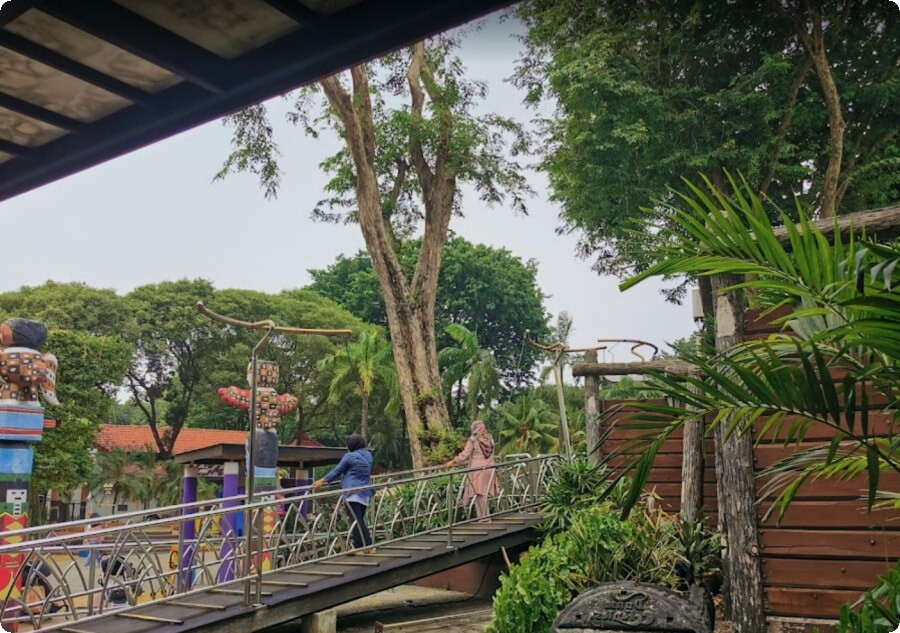
Jin De Yuan Buddhist Temple is one of the oldest Chinese temples in Indonesia. Founded in 1650, it attracts followers of both Buddhist and Confucian traditions.
Inside, a multitude of effigies and statues fill the main hall as worshippers chant and offer incense. At the back of the temple, giant coils of incense hang from the ceiling.
In 1755 a Chinese captain restored the temple and renamed it Jin De Yuan. Today it is home to eighteen Buddhist monks.
The temple was badly damaged by fire in 2015, but the complex has since reopened under new management led by Tan Adi Pranata. In the run-up to Chinese New Year, lanterns light up the whole area. The complex is a reminder of the Chinese community's long presence in Jakarta and a must-see for anyone looking for a genuine cultural landmark.
Merdeka Square
The largest and most popular square in Jakarta, Merdeka Square is an open space of one square kilometre in the centre of the city. It is surrounded by important government offices and buildings such as the Merdeka Palace, the Istiqlal Mosque and several museums.
The square is also known for its local fairs, craft markets and military parades. The National Monument, conceived by Indonesia's first president, Sukarno, to commemorate the struggle for independence, stands here.
Thousands of Indonesians come here at weekends and on public holidays to stroll, play football or simply sit and relax on the grass. The many street vendors sell cheap traditional food (bakso, nasi uduk and ketoprak) and souvenirs.
National Monument
Standing in the heart of Merdeka Square, the National Monument is one of Jakarta's most iconic landmarks. It symbolises the fight for Indonesia's independence and is a proud emblem of the nation's achievements.
The obelisk, known as Monas, stands 132 metres high and is topped with a flame coated in real gold (33 kg). It is open to the public and offers an excellent view of the city.
It also houses a history museum with dioramas depicting key moments in Indonesian history, as well as an Independence Hall where you can see a copy of the Proclamation of Independence.
The 137-metre tower also has an observation deck at the top of the cup, with superb views over the surrounding metropolis. The lift to the top runs every hour and can carry 600 people.
National Cemetery
If you are looking for somewhere meaningful to visit in Jakarta, the National Cemetery is a worthwhile destination. It is one of the city's most historic sites and the resting place of some of Indonesia's greatest heroes.
It is also a great place to explore if you are interested in Indonesian history. It is a quiet area with attractive buildings, and it is easy to spend a whole day there strolling around and soaking up the atmosphere.
If you are feeling a little peckish, there are some great places to eat in the area too. Make sure you haggle for the best price and you won't be disappointed!