The Atlantic Road
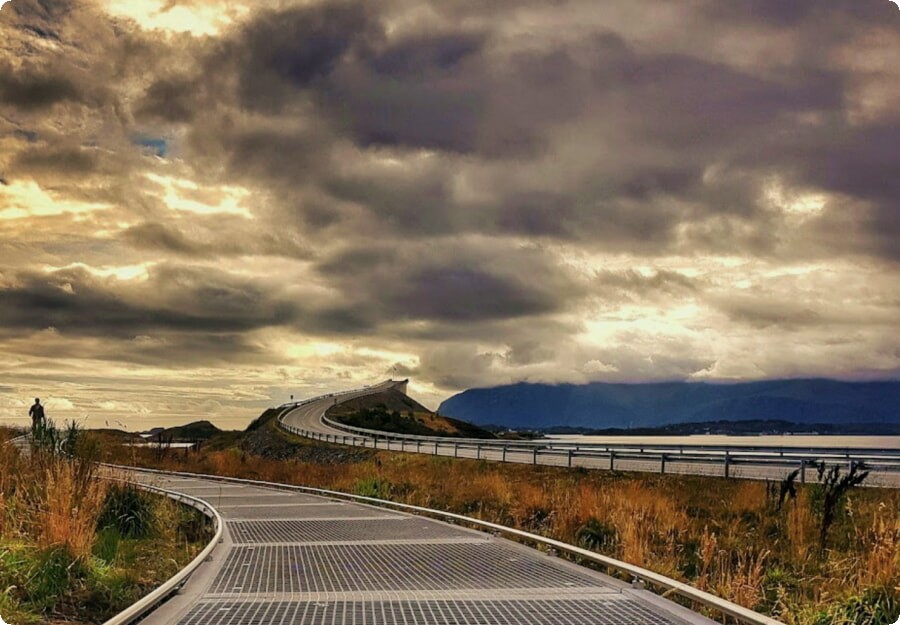
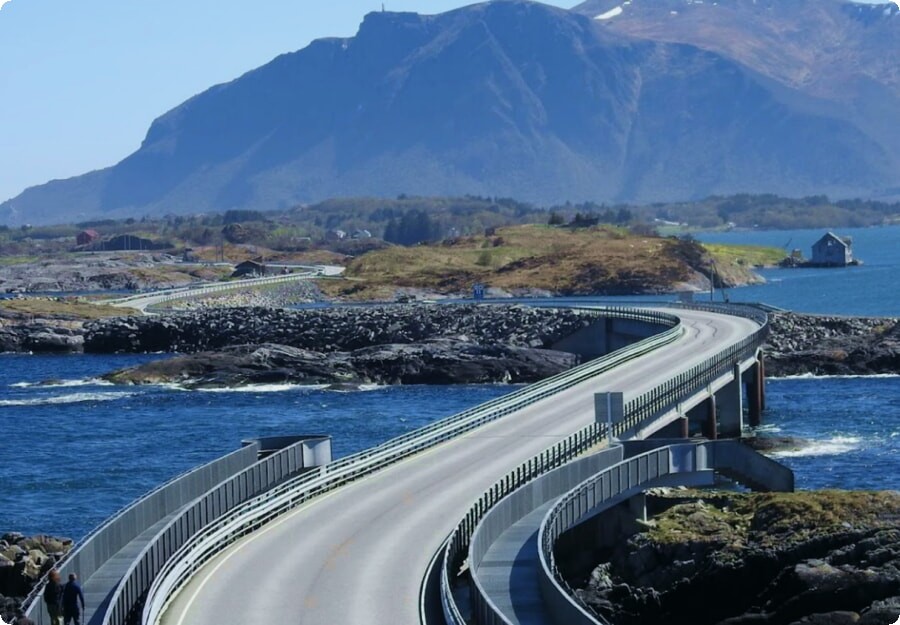
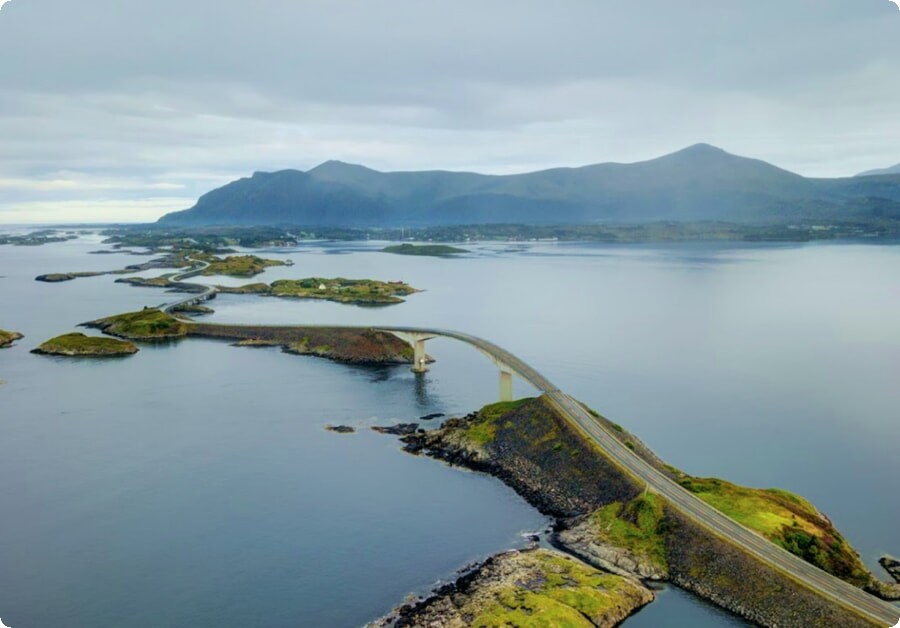
The Atlantic Road (Atlanterhavsveien) in western Norway is an 8274-metre stretch of County Road 64 that hops across the islands of an archipelago, linking the villages of Bud and Kristiansund.
It pays to book car hire in Norway in advance. You can compare prices online and save up to 70% on your rental. For example, hiring a car at Oslo Airport costs from 15 euros per day, and at Tromsø Airport from 16 euros per day.
World recognition
The road has been declared a cultural heritage site and designated a National Tourist Route. It was completed in July 1989. Tolls repaid the state for the cost of construction, and after 10 years they were abolished. The Atlantic Road has been named Norway's construction of the century and the country's best tourist road, ahead even of the famous Trolls' Ladder (Trollstigen). In 2004 it was the eighth most popular tourist attraction in Norway, with several hundred thousand visitors a year.
It is often used as a backdrop for adverts for new models of expensive cars.
How to get there
This is an attraction best explored on wheels. You can reach it by the roads that branch off the E39 between Trondheim and Ålesund, in your own or a hire car, on your own by bike, or with a tour group by coach from the town of Molde and from places further afield. The best time to visit is from June to October. Summer has many more advantages, but only in autumn does the Atlantic show its true character, unleashing storms on the road and showering the bridges, and the cars crossing them, with spray and even whole waves. At such moments everyone in the cars feels a mix of delight and adrenaline. In the colder months your chances of spotting whales and seals out at sea increase.
Accommodation
There are not many places to stay along the Atlantic Road. Strømsholmen Sea Centre offers cabins and apartments from NOK 400 per night. Near the road there is the Atlanterhavsveien Sjøstuer campsite, which charges from NOK 250 for a pitch for a camper or tent and from NOK 1050 for a cabin in high season, slightly more than Hustadvika Guesthouse. All of these places rent out motorboats and a wide range of fishing gear to guests. The area is considered one of the best in Norway for fishing holidays, and it is no coincidence that local anglers use the road and its surroundings to fish for cod and mackerel.
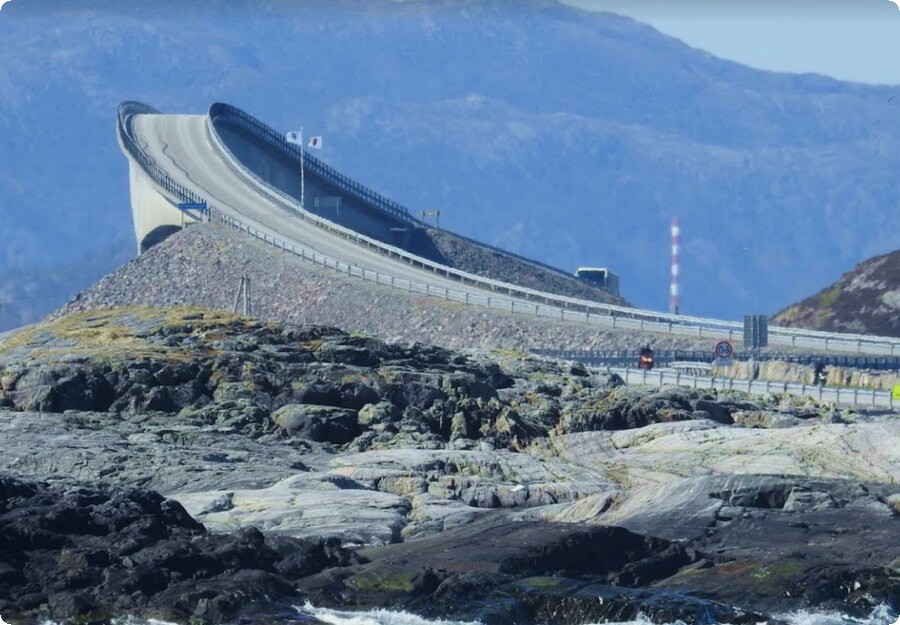
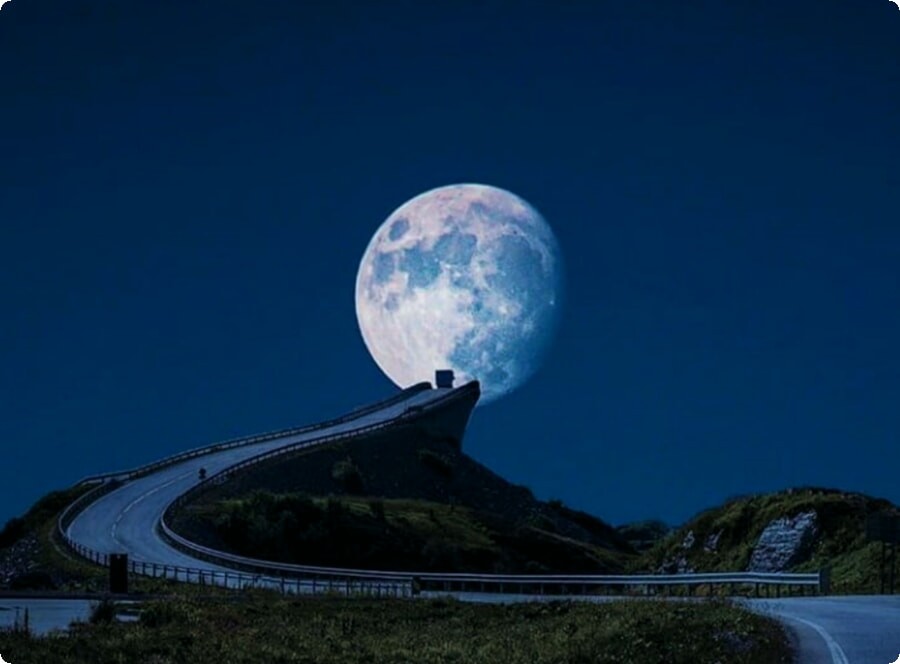
As for what to see, many guidebooks talk about seven or even eight bridges on the Atlantic Road, but there are in fact six. The longest is the Storseisund Bridge, 260 m long, which also has the widest navigation span, 23 metres. The bridge is known for its curve, which from certain angles makes it look as if it leads nowhere, and for this reason it is sometimes called the “drunken bridge”. The other bridges are of no particular interest in themselves, but the same cannot be said of the views they and the whole road offer. They fascinate, astonish and stir the emotions of even the most unflappable people. Not everyone gets the chance to stand on the shores of the Atlantic, listening to the cries of seagulls and the roar of waves crashing against the rocks, feeling the fresh sea breeze and watching yachts and liners sail by in the distance.
It is an ideal place for couples in love, and a healing one for anyone recovering from emotional trauma. There are houses on the islands along the road, while herons and other birds live in the sheltered skerries, feeding on the sea life left behind by the ebb tide. At several well-equipped car parks and lay-bys, visitors leave their cars to explore the area. Viewing platforms with information boards have been built so you can gaze into the distance. The most popular are the walkways that run in a ring around the hill on Lyngholmen island. The entrance to the footpath is in a building set into a sheer rock face next to the car park. When you tire of walking, drop into the cosy café or the tourist information centre. There is a free toilet.
Other things to do
If you fancy trying your luck at fishing, you can even hire a spinning rod by the hour. The Myrbærholm Bridge was designed especially for anglers, with fishing platforms separated from the road on both sides. From a few metres up, people cast spinners for the predatory mackerel that live in the fast tidal currents of the Atlantic. The catch is gutted on the spot, and seagulls hang around nearby hoping for scraps. If you dream of deep-sea fishing, head to the fishing village of Håholmen or hire a motorboat on Strømsholmen island. Three hours at sea with a guide will cost you NOK 750. There is also a well-known diving centre.
If you have a diving certificate, do not miss the chance to explore a vibrant underwater world of clear water and undercurrents. Dives start from NOK 475, including the boat trip, the dive itself, a look at the kelp forests and shipwrecks, and spearfishing.
The surrounding area
Kristiansund, to the north-east, has relatively little to offer tourists. South-west of the Atlantic Road, the road follows the coast through land settled by the ancient Norse towards the fishing village of Bud. Bronze and Iron Age burial mounds have survived on the Nordneset peninsula. A hiking trail winds past them through cloudberry bogs and beautiful lakes covered in water lilies to a small abandoned lighthouse at the edge of the world. Bud will appeal to anyone who loves nature, coastal life or the history of the Second World War. The coastal hill on the northern edge of the village has been turned into a museum, and the preserved fortifications of the Atlantic Wall, the Nazi coastal defence line built in 1943-1944 along the entire Atlantic coast, are open to all.