Sri Lanka: hotels and beaches
This island nation in South Asia, known as Ceylon until 1972, is famous the world over for its fine tea, grown on emerald-green plantations lovingly tended by local people. The subequatorial monsoon climate makes a beach holiday possible at any time of year. Hotels in Sri Lanka are welcoming and cosy: the islanders have created the atmosphere of a tropical paradise and surround their guests with genuine hospitality. As soon as you arrive, you are greeted by blossoming fruit trees and the unusual scent of well-kept gardens.
To travel in comfort, many visitors choose car hire in Sri Lanka. Hiring a car at Colombo Airport costs an average of 16 euros per day. The Cars Scanner service can help you save up to 70% on car hire.
Here elephants wander freely along quiet lanes and busy streets alike, and local restaurants serve some of the most delicious fish in the world. Holidays in Sri Lanka are relatively inexpensive, which keeps interest in the island growing. Almost the entire coastline is covered with soft sand, and the popular beaches slope gently into the ocean, making them safe even for inexperienced swimmers.
The best beaches in Sri Lanka are found at the resorts of Nuwara Eliya, Bentota, Kalkudah, Passikudah, Kalutara and Beruwala. Buddhism has shaped the islanders' outlook so deeply that it is hard to find kinder or more sympathetic people anywhere. A true realm of harmony and tranquillity surrounds you. This feeling has to be experienced to be understood, because such reverent delight and complete peace of mind are hard to put into ordinary words.
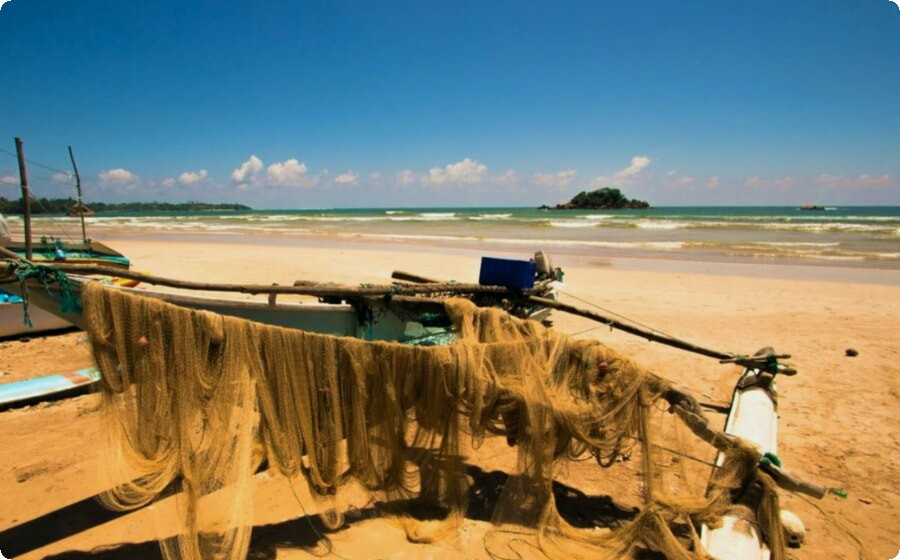
A trip to Sri Lanka is not just an ordinary holiday at an evergreen resort, but a chance to get to know yourself, discover new sides of your personality and look at the world with fresh eyes. It is no accident that the locals never tire of saying they know only three colours: the turquoise of the sky and the ocean, the gold of the sandy beaches and the emerald green of the tropical vegetation. There is no room here for sorrow and sadness, and every hardship is met with philosophical calm and hope for the best.
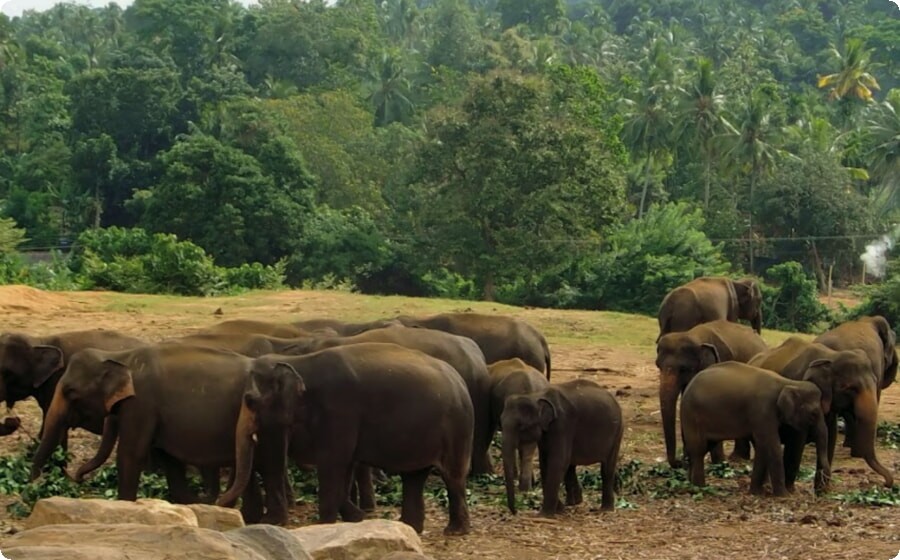
Among other things, a tour of Sri Lanka will introduce you to majestic leopards, many kinds of monkeys and, of course, elephants, all in their natural habitat. When travelling around the former Ceylon, remember the old saying “when in Rome, do as the Romans do”: certain rules must be observed, especially when visiting religious shrines. Respect other people's faith!
Sri Lanka offers a wide and fascinating range of excursions, though most of them are pilgrimages in nature. Bear in mind that you may not enter a temple in shorts or a revealing skirt, in a hat, or in clothes that leave your shoulders or back bare. You must also take off your shoes, so we recommend bringing disposable socks for hygiene reasons. Do not photograph local people without their permission, and avoid posing in front of Buddha statues, especially with your back to them. It is considered rude to point your feet at the person you are talking to, to take things with your left hand or to point at anything with your index finger.
Remember, too, that some animals, such as cows, are sacred, and any sign of disregard or disrespect towards them offends the locals. Now for the most interesting sights of Sri Lanka. One of the island's best-known curiosities is its “stilt fishermen”, who at low tide drive their cross-shaped perches into the coastal sand and then sit on them all day, waiting for a good catch.
In Senkadagalapura (also known as Kandy), visitors love the Royal Botanic Gardens, where you can admire ornamental and flowering trees, palm groves, a rich collection of greenhouse plants and many beautiful orchids. Sightseeing holidays in Sri Lanka are very affordable, so travellers can plan longer trips and see all the main sights. The most famous attraction among tourists, and the most revered by local people, is the Temple of the Tooth Relic in Kandy, whose vivid, colourful frescoes depict the life of the great teacher who attained enlightenment and tell how the sacred relic came to Ceylon.
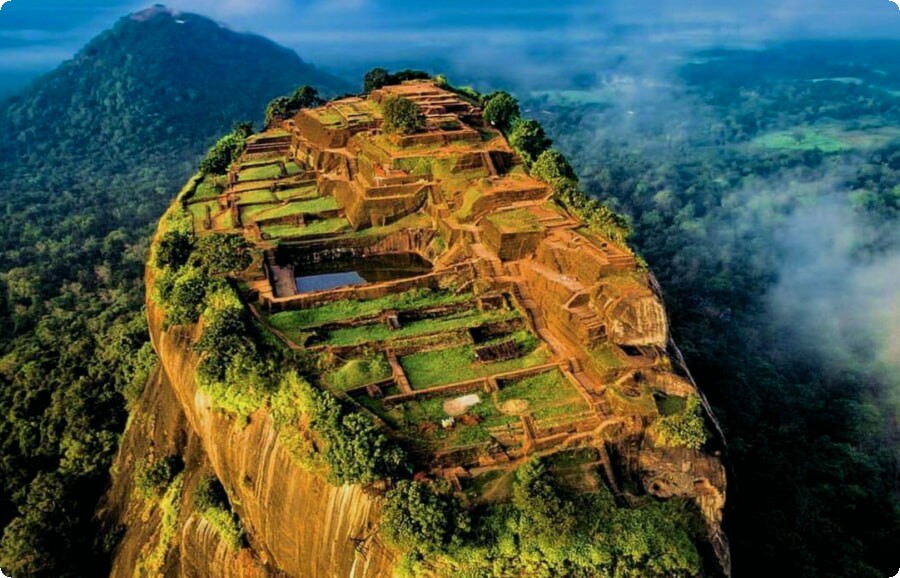
Near Sigiriya, the Dambulla Cave Temple is well worth a visit: it houses a magnificent collection of Buddha statues, many of them more than 2000 years old. The city of Polonnaruwa is just as interesting: be sure to see the Lankatilaka temple and the grand 13-metre statue of the Buddha. In fact, the whole site of the Alahana Pirivena monastery is an open-air museum, with the Prayer Hall standing on the highest terrace of the stone complex. Especially impressive is the main monument of the Rankoth Vehera monastery, a colossal stupa more than 50 metres high!
The rock temple, with its four strikingly lifelike Buddha statues carved into the stone, never fails to draw visitors. Sri Lanka's resorts are full of memorable places. In the Nuwara Eliya area, Sri Pada (Adam's Peak) is probably the most popular place of pilgrimage. Year after year, tens of thousands of people make the climb to the sacred footprint.
Remarkably, this relic is revered by followers of four religions: Buddhists believe the footprint was left by Gautama Buddha, Muslims hold that it belongs to Adam, who came down from Heaven, Hindus attribute it to their supreme god Shiva, poetically calling the peak Sivan Adipadam, “the cosmic dance of Shiva”, and according to Christian tradition the Apostle Thomas passed this way, bringing the light of faith to India.