Where to spend the winter in Europe

If you want to spend the winter somewhere warmer in Europe, you will need to answer the following questions:
1. Which country offers a warm climate and a good cultural programme?
2. Where can you find a job?
3. What kind of work should you look for?
Every day the job market offers more and more opportunities to work remotely from abroad, and the reasons are obvious: companies save on office rent and equipment, and can recruit from a much wider area. It suits employees too, as they can live anywhere in the world while working. This matters most of all in the cold winter months.
But you need not limit yourself to remote work: you could also find a full-time job in a warm European country. It is a great opportunity to combine travel and work. In other words, you can work remotely or in an office and still enjoy the country's culture and the company of the locals.
So first of all, decide what kind of work suits your interests and abilities. One place to start is Norway's website for jobs abroad, which lists a wide range of vacancies, such as Norwegian-speaking travel agent, content moderator, social media content analyst, customer service specialist, casino game presenter and many more. As you can see, it is easy to find both office-based and remote jobs there.
Once you have chosen a vacancy, you can decide which country you would like to spend the winter in.
Which country offers a warm climate and a good cultural programme?
There are dozens, if not hundreds, of cities and regions to choose from when deciding where to spend the winter in Europe: Valletta, the capital of Malta and the sunniest capital in Europe, the Algarve and Lisbon in Portugal, Barcelona, Málaga and the Costa del Sol in Spain, Sicily in Italy, or Cyprus.
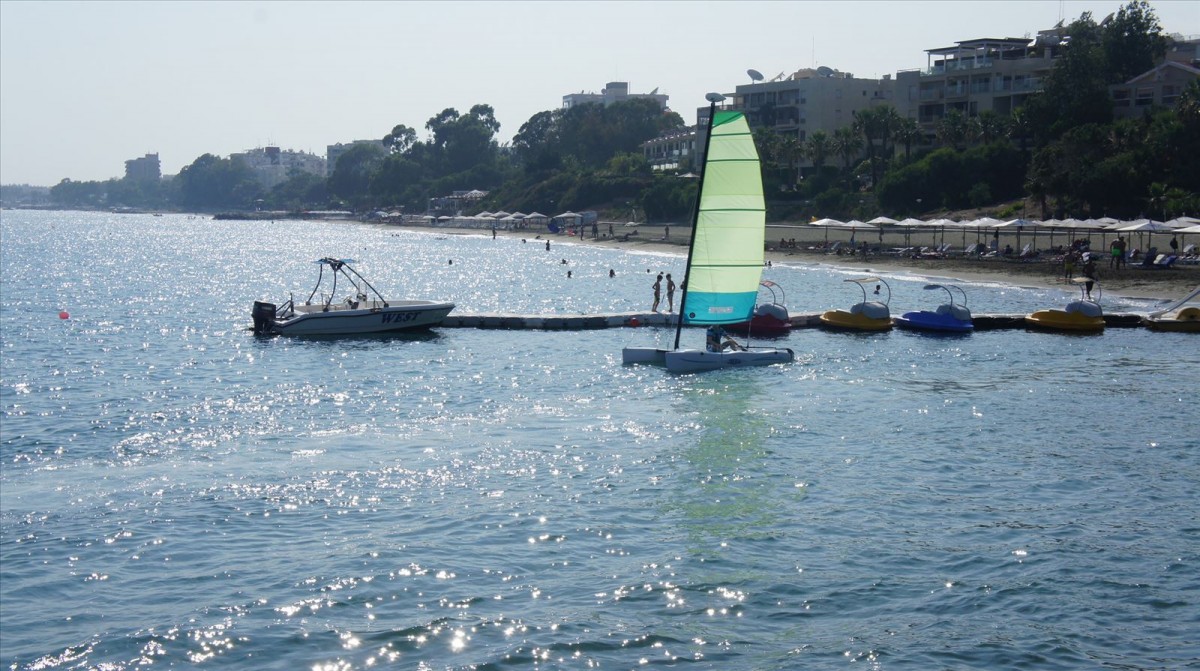
If being able to swim from the beach matters to you, consider the Azores, Albania, the Balearic Islands, Bosnia and Herzegovina, Bulgaria, the Canary Islands, Cyprus, Corfu or Las Palmas on Gran Canaria.
To choose the best cities or countries for the winter, we suggest judging them by the following criteria:
1. Average January temperature: for example, average January highs of 20 degrees or more, although average temperatures of 16 degrees Celsius are also fine, as winter can be a great off-season time to visit cities that are usually crowded.
2. Potential for travel and recreation: cultural attractions and opportunities for sport.
We have picked the destinations we consider most attractive and present them here for you to choose from.
1. Spain: Gran Canaria, the Costa del Sol and more
The southern coast of mainland Spain belongs to Andalusia. The southernmost beaches of the Costa del Sol and the Costa de la Luz live up to their names: even in winter there are very few cloudy or rainy days. In January, temperatures on the coast hover around +15-16°C. Many resort towns suit both young people and couples. Amusement parks, aquariums, dolphinariums and even penguin enclosures stay open for visitors. A cable car will take you up into the mountains, where a beautiful view of the sea and the surrounding area opens up. Resort life carries on even in the winter months.
However, as temperatures drop at night, always check that the room is heated when booking your accommodation.
Canary Islands
Spain owns the Balearic Islands in the Mediterranean and the famous Canary Islands in the Atlantic Ocean. The Canaries top our list of places that are warm in January. They lie almost off the coast of Africa. The main islands - Tenerife, La Palma and Gran Canaria - are often called miniature continents, where you can experience several seasons at once. In the mountains, at an altitude of two kilometres, there can be snow even in summer, while on the coast the temperature stays at around +20°C even in winter.
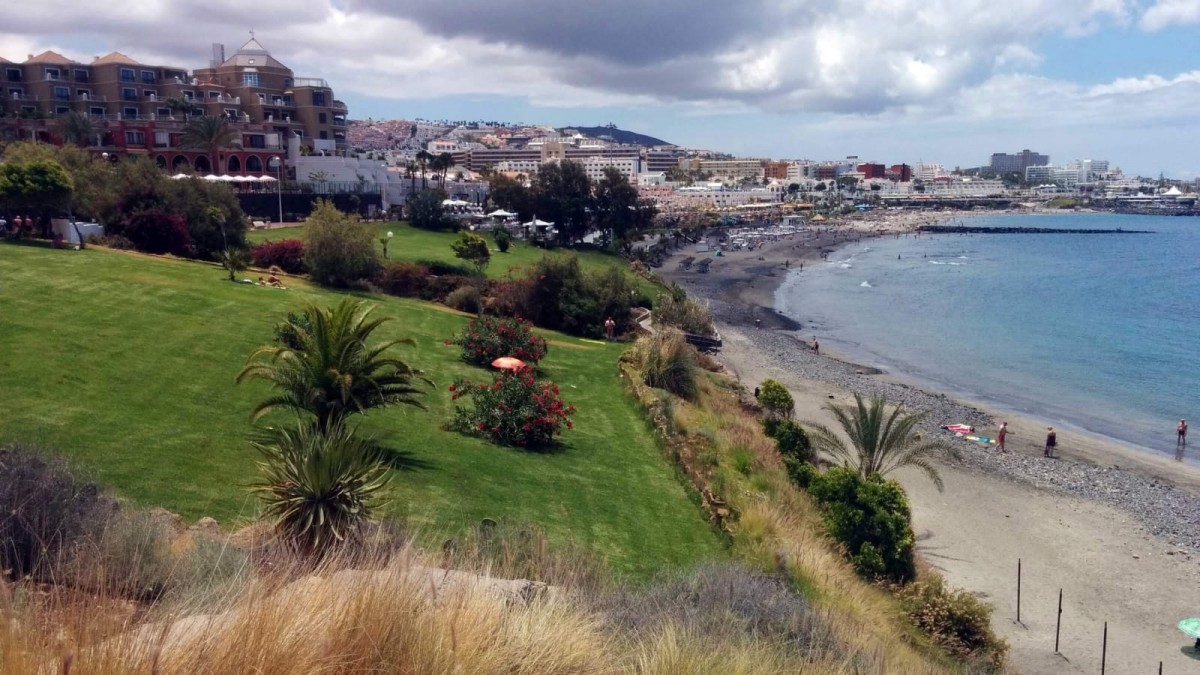
Average January temperature: 20° maximum / 13° minimum.
Potential for adventure: black sand beaches, a dormant volcano and locals who love food, music and dancing.
Although the Spanish Canary Islands are more expensive than South-East Asia, they are still a dream come true for anyone looking to work abroad. Wonderful weather, affordable accommodation and a convenient time zone make them popular with winter-sun seekers.
With scenery ranging from beaches to rainforests and volcanic craters, the islands offer plenty of off-the-beaten-track adventures. Las Palmas is a walkable city with plenty of co-working spaces, relatively cheap accommodation and lots to do in your free time. Tip: island life is all about getting outdoors, so sign up for a surf lesson!
Barcelona
Barcelona is a big-city paradise for spending the winter in Europe.
Average January temperature: 13° high / 7° low.
Potential for adventure: superb architecture, incredible food and a cosmopolitan vibe in this Spanish coastal city.
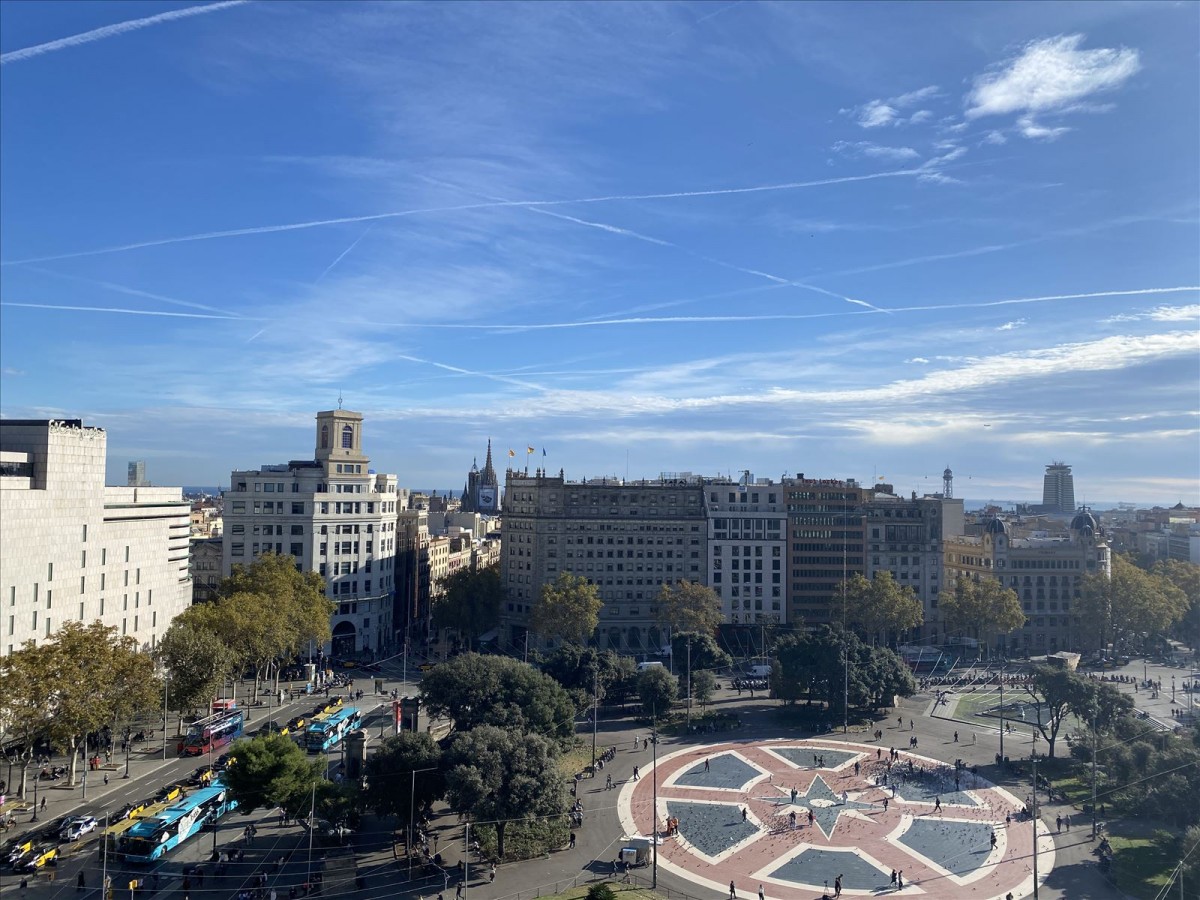
Although Barcelona is one of the cooler cities on the list, the weather is mild all year round, and with tourism on the rise, the off-season may be the best time to explore without the crowds. It is also a wonderful city to tour by hire car.
The highlight of Barcelona is undoubtedly Gaudí's otherworldly architecture, and you should set aside a few days to visit the incredible Casa Batlló, Park Güell and the Sagrada Família. After work, you can enjoy a siesta and then take a stroll along the lively Las Ramblas and dine at some of the best restaurants in Europe.
Here you can find out more about getting a residence card in Spain.
2. Italy
For strolling the streets of Italy, you will need to pack differently for each city.
The warmest region in January is Sicily: +15°C (+9°C at night). At this time of year on the mainland, Naples sees +13°C during the day (+5°C at night), and a winter evening in Sorrento will delight you with the same temperature. Winters in southern Italy are mild. For comparison: Rome has +11°C with wind and humidity, Venice +6°C and flooding, Milan is chilly at +6°C, and Florence has +9°C.
Potential for adventure: in the winter months car hire prices drop by 15-30%, parking spaces are easier to find and the sights are free of crowds.
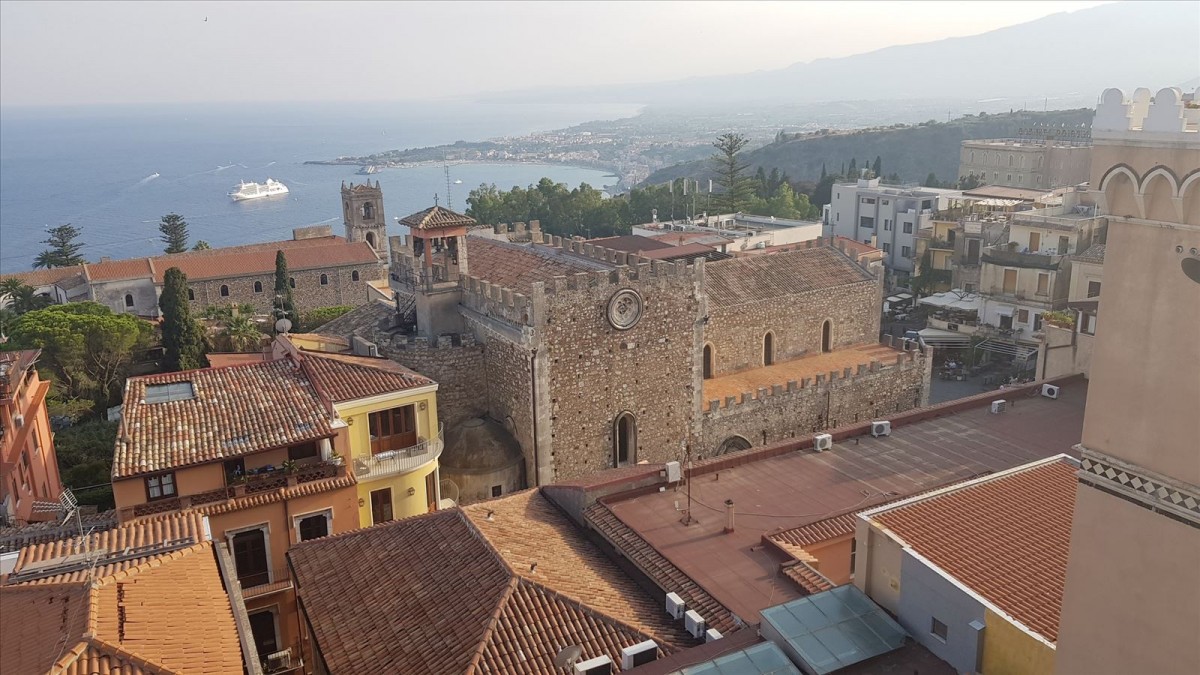
Sicily
On the Italian island of Sicily, the sun shines 330 days a year. You will only need warm jumpers if you head into the mountains. The mild climate and warm weather (15-20°C) are ideal for hiking and sightseeing.
In January Sicily is covered in lush greenery, and the almond trees begin to blossom in white and pink. The island is notable for its rocky, hilly terrain and for Etna, the highest active volcano in Europe, surrounded by a nature reserve.
Sicily's sights are a match for the ancient monuments of the Italian mainland. The island has its own architectural style, Sicilian Baroque, and even its own Valley of the Temples. After the capital, Palermo, the main cities of Sicily are Messina, Syracuse and Catania. Palermo was founded by the Phoenicians, while Syracuse and Messina were founded by the Greeks. Catania is interesting for its buildings made of basalt and hardened lava from Etna.
Every city on the island is unique: the beautiful resort of Taormina, for example, continues to enchant artists and bohemians.
Venice
Although Venice is not warm in winter, many consider this beautiful city of canals to be at its best at this time of year, especially under snow. Visitors can also take advantage of the year's lowest hotel prices and air fares. Avoid the weeks around the Venice Carnival and you will enjoy shorter queues at the popular sights and a better chance of experiencing a more authentic side of Venice. Wrap up warm and wander through the thick fog that often settles over the canals: it makes for some wonderfully atmospheric photos. You can still enjoy a gondola ride, as the gondolas run all year round, and when it is cold the gondoliers hand out blankets to snuggle under.
3. Portugal
Portugal rivals Spain and Italy not only for its warm winter weather but also for its sights. The blend of European and South American cultures gives the country a unique character. The warmest place in Portugal in January is the island of Madeira, at +18-19°C. Portugal's other Atlantic possession, the Azores, is foggy and rainy in winter, but it never snows there.
Average January temperature: 15° maximum / 9° minimum.
Potential for adventure: the beauty of old Europe meets a bustling modern city scene.
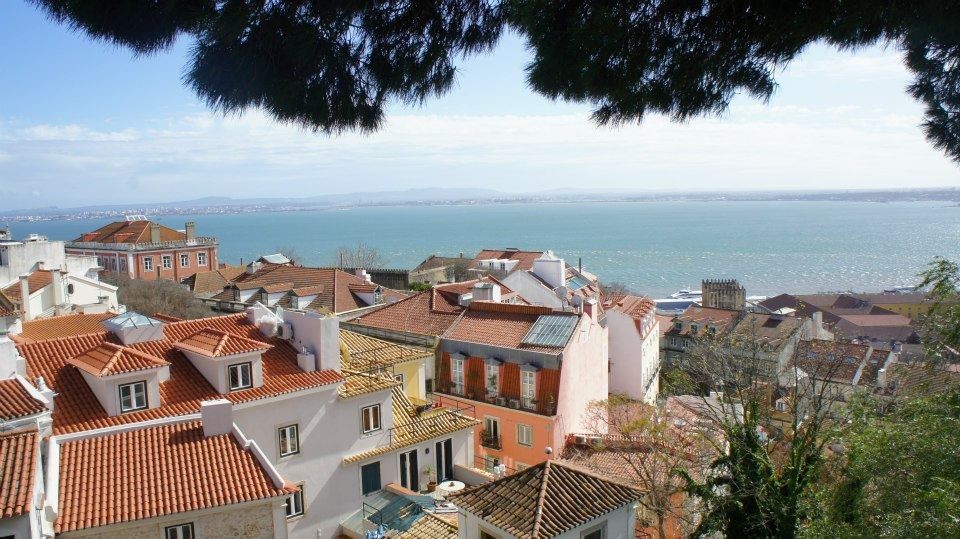
All the amenities and infrastructure of a major European city, plus a mild climate and affordable prices, make Lisbon an excellent choice for a winter nomad. Add plenty of co-working spaces where you can rent a desk and a Wi-Fi connection, beautiful architecture, delicious food, vibrant nightlife and convenient public transport. While January is probably not the time for Portugal's beaches, an average temperature of 15 degrees is warm enough for some serious city exploring.
Sagres
Situated at the south-western tip of the Algarve, this popular winter destination draws many golfers and surfers to its cool, sun-kissed beaches. This is when the Atlantic swells are at their most powerful, while these picturesque stretches of sand are free of the summer crowds. There are also plenty of golf courses, such as Boavista and the 18-hole Espiche, set in a nature reserve, where enthusiasts can look forward to a round or two in the pleasant warmth of the winter sun. When the clouds roll in, storm watchers can see and hear huge waves crashing onto the shore. There are also many pretty fishing villages, majestic castles and scenic walks among the cork oaks.
The official public services website of Portugal
can explain all the details of obtaining a residence permit in the country.
Whatever you think of swapping a snowy winter wonderland for warmer countries and cities, we are sure the European destinations we have listed will encourage you to pack your bags and hit the road this winter.